
Coffee: The Journey From the Seed to Your Cup

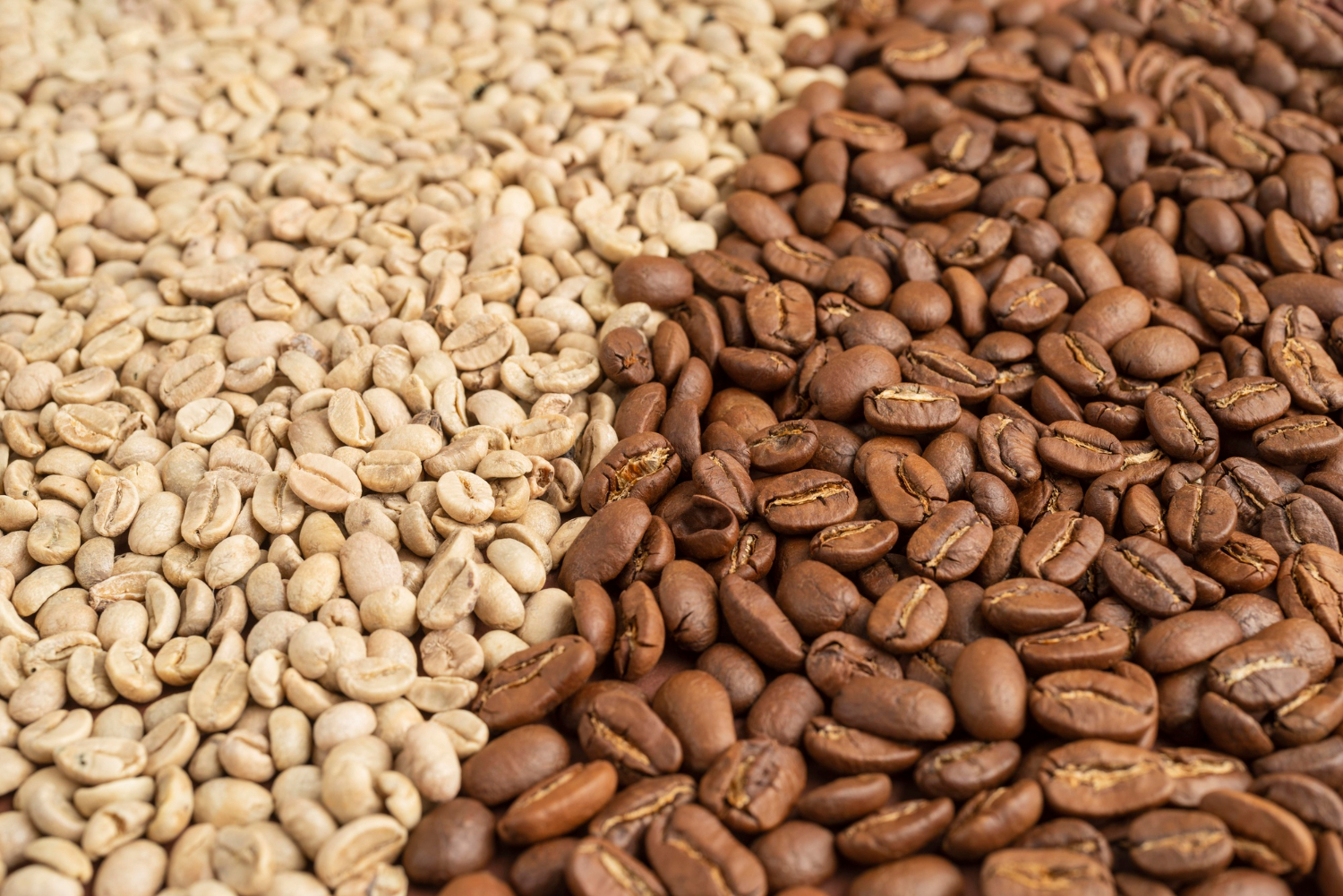
Coffee is deeply embedded in everyday life, yet few people consider the complex journey each raw coffee bean undertakes before it reaches the cup. From cultivation and harvesting to processing, roasting, and brewing, coffee travels across continents, passes through many hands, and undergoes precise transformation. Understanding this journey helps roasters, manufacturers, and buyers appreciate why quality raw coffee beans are the foundation of great coffee.
As unroasted coffee bean suppliers gain access to higher-grade coffees, buyers increasingly ask important questions. Where does this coffee come from? Is it Arabica or Robusta? How was it processed? As a leading coffee bean supplier in Malaysia, Scofi aims to promote awareness of coffee origins and the critical stages that shape quality and flavor.
Growing Coffee: From Seed to Plant
Like wine grapes, coffee quality begins at the farm. Coffee plants thrive only under specific environmental conditions, primarily within the Coffee Belt, located between 25° North and 30° South of the equator. These regions provide the ideal balance of sunlight, rainfall, temperature, and altitude needed to grow high-quality raw coffee beans.
Optimal growing conditions include rich, well-draining soil, consistent moisture, no frost, and stable day-to-night temperatures. Two main coffee varieties dominate global production: Arabica beans and Robusta beans. Arabica coffee grows best at higher altitudes with cooler temperatures and mineral-rich soil. It is more delicate and requires careful cultivation. Robusta coffee, by contrast, is a hardier plant that tolerates warmer climates, lower altitudes, and delivers higher yields. Both varieties serve important roles across specialty and commercial coffee markets.
The Harvest: Picking Coffee Cherries
A coffee plant typically takes three to four years before producing fruit, known as coffee cherries. Each cherry usually contains two coffee seeds, which later become unroasted coffee beans. Harvesting methods have a significant impact on quality.
Selective hand-picking is commonly used for high-quality coffee. Skilled harvesters choose only ripe cherries, allowing underdeveloped fruit to mature further. This method prioritizes quality but requires more labor and time. In contrast, strip picking or mechanical harvesting removes all cherries at once, regardless of ripeness. While faster and more cost-effective, this method requires additional sorting and often results in lower overall quality.
Coffee Processing: From Cherries to Unroasted Coffee Beans
Coffee processing removes the fruit from the cherry and prepares the beans for storage and export. The chosen processing method strongly influences flavor development and consistency.
The natural (dry) process dries whole cherries under the sun for several weeks. Once dried, the fruit is mechanically removed, leaving the raw coffee beans. Naturally processed coffees often develop sweeter, fruit-forward profiles, though the process is difficult to control and carries higher risk of spoilage.
The washed (wet) process uses water to remove the fruit before drying. This method highlights the bean’s intrinsic characteristics, making it ideal for showcasing single-origin flavors. However, it requires significant water usage and careful environmental management.
The honey process combines elements of both methods. Some fruit mucilage remains on the bean during drying, producing a balance of sweetness and clarity. This approach offers distinctive flavor complexity while requiring careful handling.
Roasting Coffee: From Green Beans to Brown Beans
Roasting transforms unroasted coffee beans into the aromatic brown beans familiar to consumers. This stage is both a science and an art, requiring precise temperature control and timing to unlock desired flavors.
Light roasts preserve the coffee’s natural acidity and origin characteristics, often revealing fruity and floral notes. Medium roasts introduce caramelization and balance sweetness with body. Dark roasts emphasize roasted flavors, offering bold body and smoky, chocolate-like characteristics. For manufacturers and roasters, consistent green bean quality is essential to achieving predictable roasting outcomes.
Brewing and Extraction: From Beans to Beverage
Brewing extracts soluble compounds from roasted coffee into water. While brewing methods vary—from espresso to pour-over to cold brew—the objective remains the same: controlled extraction.
Grind size plays a critical role. Finely ground coffee allows rapid extraction for espresso, while coarser grinds suit slower methods such as French press or cold brew. Proper extraction ensures balanced flavor, aroma, and mouthfeel in the final cup.
Supplying Quality Raw Coffee Beans in Malaysia
At Scofi, we understand that great coffee begins long before roasting and brewing. As a trusted coffee bean supplier in Malaysia, we provide high-quality raw coffee beans, including Arabica and Robusta, suitable for roasteries, cafés, and beverage manufacturers.
Our unroasted coffee beans are sourced from reputable origins and handled with care to preserve freshness, flavor potential, and consistency. Whether for specialty roasting or large-scale manufacturing, we support businesses with reliable supply and quality assurance.
Conclusion
From seed to cup, coffee undergoes a complex and carefully managed journey. Each stage—growing, harvesting, processing, roasting, and brewing—contributes to the final taste experience. By sourcing properly handled raw coffee beans, businesses can build consistent, high-quality products that meet market expectations.
As a leading raw coffee bean supplier in Malaysia, Scofi is committed to delivering premium Arabica and Robusta coffee beans that support quality, consistency, and long-term success.